The Challenge at Hand
Operating a major e-commerce platform across Gulf markets means managing language at a scale most brands underestimate. Product pages, user journeys, CRM flows, campaign assets, on-site banners, and digital communications all run simultaneously. And in Arabic, they all carry the risk of inconsistency, mistranslation, or cultural misalignment if the content infrastructure is not built to hold.
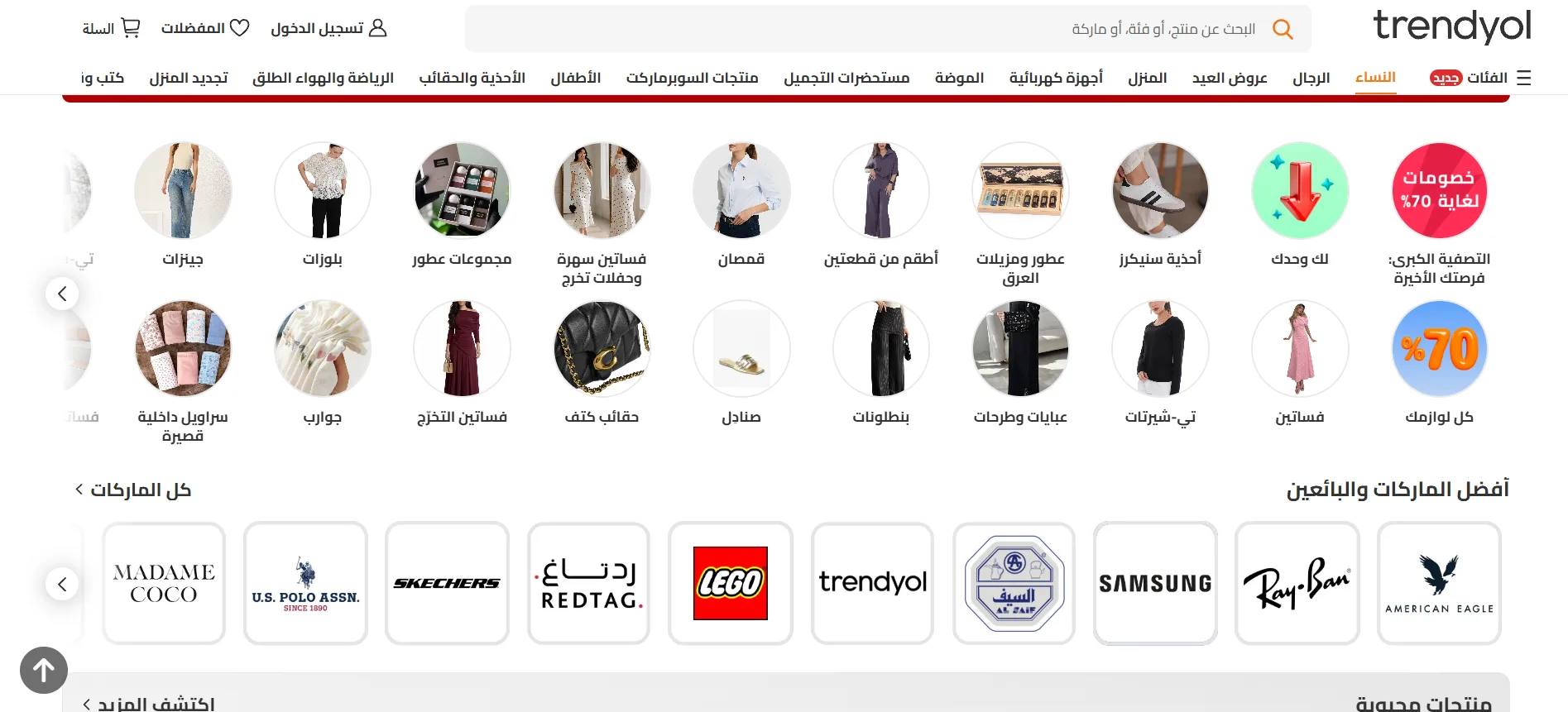
Trendyol’s challenge was not a single content problem. It was a systemic one. Arabic UX copywriting Saudi Arabia-focused audiences interact with daily has to meet a higher bar than most markets demand. Across a platform of Trendyol’s complexity, maintaining that standard meant auditing what already existed, establishing what should replace it, and building the frameworks to keep it consistent going forward.
Modern Standard Arabic also introduces its own layer of complexity in ecommerce localization Saudi Arabia contexts. The register has to be formal enough to carry authority across different Gulf audiences while remaining accessible and conversion-friendly across fast-moving retail environments. Striking that balance at scale, across every content type, was the core technical and creative challenge.
How We Made It Happen?
Using our expertise in Arabic UX copywriting in Saudi Arabia, we embedded across Trendyol’s content operation for over a year, working simultaneously on Arabic QA, platform localization, and original copywriting across every active content channel. The engagement began with a full-scale audit, systematically reviewing existing Arabic UI UX writing across the platform to identify inconsistencies in terminology, register, and tonal alignment. What that process surfaced was not isolated errors but structural gaps: places where the content infrastructure had scaled faster than the quality controls around it.
We rebuilt those foundations through a comprehensive glossary and terminology framework that standardized Arabic product UX copy across categories, ensuring that a user moving through a product page, a checkout flow, or a post-purchase CRM sequence encountered the same linguistic logic at every step. A brand-aligned style guide was developed alongside it, giving Trendyol’s internal teams a working reference that could sustain consistency beyond the engagement itself.
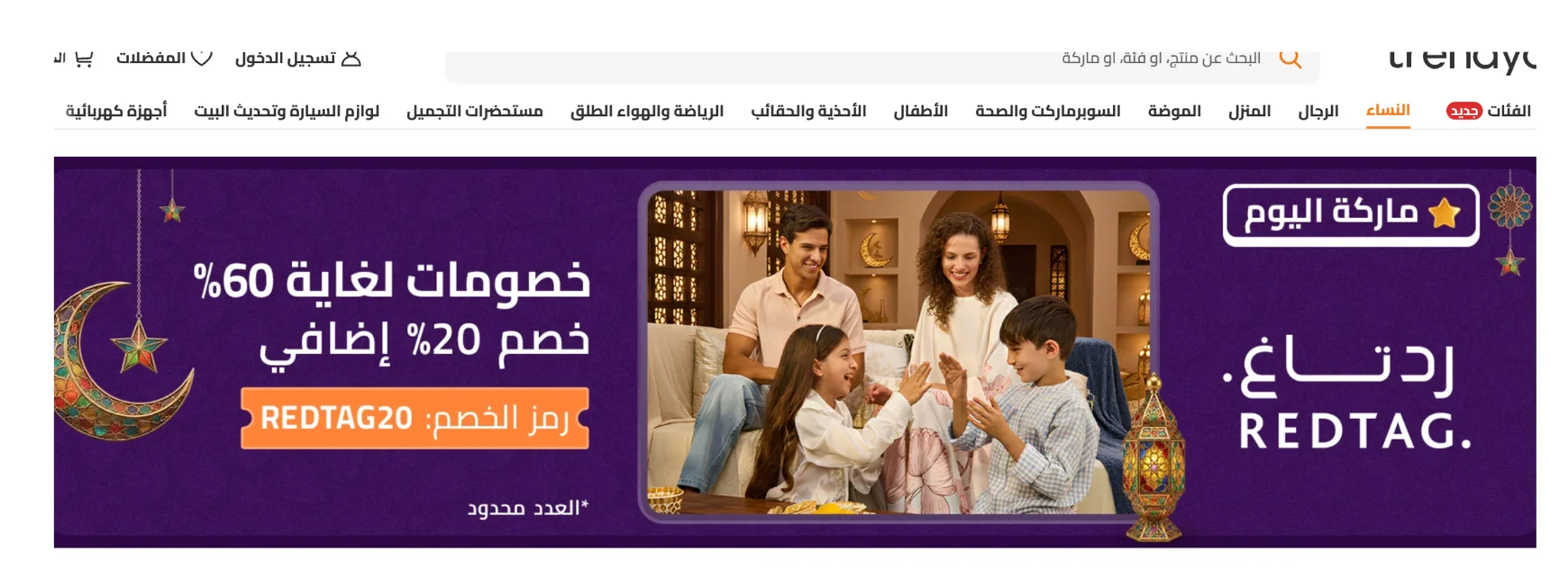
From there, the scope expanded into active production. Arabic app copywriting across user journeys, on-site banners, marketing campaigns, and CRM communications were all developed to the same Saudi-focused standard.
Over twelve months, we maintained that standard across hundreds of simultaneous touchpoints without losing consistency, quality, or brand alignment. The result is an Arabic content operation that scales with the platform rather than falling behind it.